
Failure to Follow a Resident’s Care Plan in Georgia Nursing Homes
Every Resident’s Care Plan Matters
When someone is admitted to a nursing home or other long-term care facility, their care should never be one-size-fits-all. Every resident has unique medical conditions, physical limitations, dietary needs, medications, and personal care requirements. To address those individual needs, nursing homes develop a personalized care plan that guides staff members in providing appropriate care.
A resident’s care plan is more than paperwork. It is a roadmap for helping protect the resident’s health, safety, and quality of life. When nursing home staff fail to follow that plan, preventable injuries and serious medical complications can occur.
Families trust nursing homes to carry out the care that has already been identified as necessary. When that doesn’t happen, residents may suffer harm that could have been avoided.
What Is a Nursing Home Care Plan?
A care plan is a written document that outlines a resident’s medical needs, daily care requirements, treatment goals, and the services necessary to meet those needs.
Federal regulations require Medicare and Medicaid-certified nursing homes to develop and regularly update individualized care plans for residents. Care plans are created using information from physicians, nurses, therapists, dietitians, social workers, residents, and family members when appropriate.
Depending on a resident’s condition, a care plan may include instructions for:
- Mobility assistance and fall prevention
- Medication administration
- Nutrition and hydration
- Special diets or swallowing precautions
- Turning and repositioning schedules
- Wound care
- Toileting assistance
- Infection prevention
- Cognitive support and supervision
- Therapy and rehabilitation services
A care plan should continue to evolve as a resident’s medical condition changes. When a resident experiences a decline, develops a new medical condition, or returns from the hospital, the care plan should be reviewed and updated as needed.

What Happens When a Nursing Home Fails to Follow a Care Plan?
Developing a care plan is only the first step. Nursing home staff must consistently follow the plan and communicate changes to other caregivers.
When important instructions are ignored, residents may suffer serious and sometimes life-threatening consequences.
Examples include:
- A resident with swallowing difficulties is served foods that increase the risk of choking or aspiration.
- A resident who requires frequent repositioning develops painful pressure injuries.
- Staff fail to provide assistance with walking or transfers, leading to preventable falls.
- Medications are missed, given incorrectly, or administered at the wrong time.
- Residents who require assistance with eating or drinking become dehydrated or malnourished.
- Staff fail to monitor changes in a resident’s condition, delaying necessary medical treatment.
- Residents who require close supervision wander away from the facility or suffer preventable injuries.
Many of these situations do not occur because the nursing home failed to recognize the resident’s needs. They occur because staff failed to provide the care that had already been identified as necessary.
Why Care Plans Are So Important
A well-developed care plan helps ensure that everyone involved in a resident’s care understands their responsibilities.
Without consistent communication and proper follow-through, important details can be missed during shift changes, staff turnover, or periods of understaffing.
Care plans also help facilities identify residents who may be at increased risk for falls, infections, pressure injuries, choking, medication complications, or other preventable harm. Following those plans consistently is one of the most important ways nursing homes can help keep residents safe.

Signs a Nursing Home May Not Be Following a Care Plan
Families are not usually given access to every aspect of a resident’s daily care, but they may notice warning signs that deserve closer attention.
Examples include:
- Repeated falls or unexplained injuries
- Worsening pressure injuries
- Unexplained weight loss or dehydration
- Frequent hospitalizations
- Medication mistakes
- Missed therapy appointments
- Poor hygiene or unchanged clothing
- Staff members providing conflicting information about the resident’s care
- Family concerns that are repeatedly ignored
If problems continue despite raising concerns with facility staff, families should ask whether the resident’s care plan is being followed and whether it has been updated to reflect the resident’s current needs.
Can Failure to Follow a Care Plan Be Negligence?
Not every poor outcome means a nursing home was negligent. Older adults often have complex medical conditions, and some complications cannot be prevented.
However, when a facility develops a care plan but repeatedly fails to follow it, those failures may indicate negligence. If a resident suffers preventable injuries because staff ignored physician orders, failed to carry out required care, or neglected to respond appropriately to changes in condition, the nursing home may be responsible for the resulting harm.
Determining whether a facility met the accepted standard of care often requires reviewing medical records, care plans, staffing information, and other evidence.
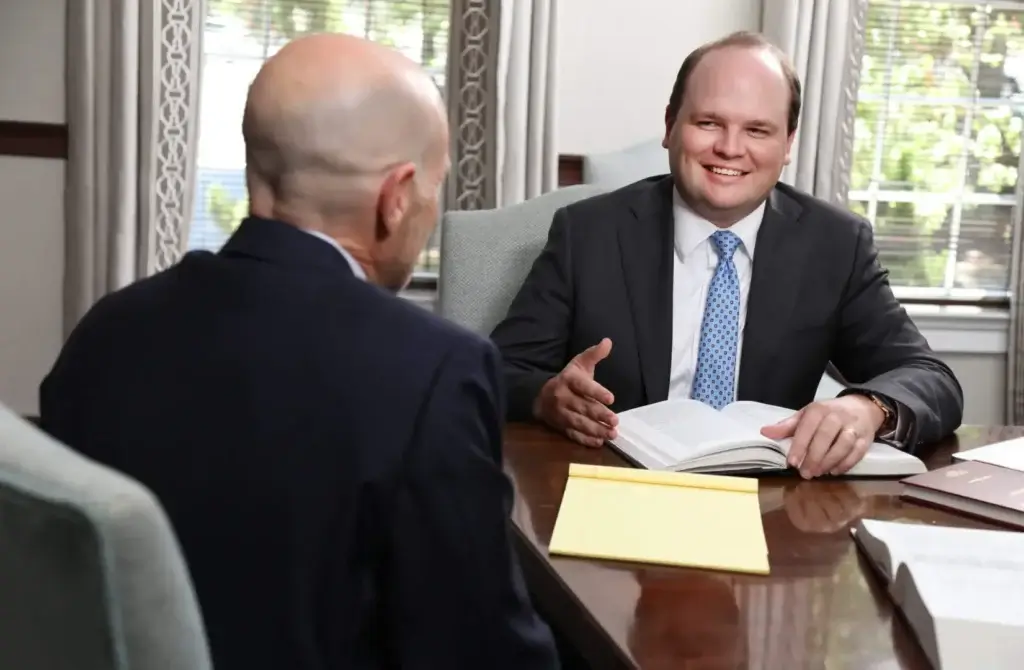
How a Georgia Nursing Home Abuse Lawyer Can Help
When families discover that a nursing home failed to follow a loved one’s care plan, they are often left wondering whether the resident’s injuries could have been prevented.
At Blasingame, Burch, Garrard & Ashley, P.C., our attorneys have extensive experience investigating nursing home abuse and neglect cases throughout Georgia. We carefully review care plans, medical records, staffing information, physician orders, and facility documentation to determine whether the nursing home provided the care a resident was entitled to receive. We routinely work with qualified medical experts and other professionals to evaluate whether failures in care contributed to a resident’s injuries, declining health, or death.
If you believe your loved one was harmed because a Georgia nursing home failed to follow an individualized care plan, contact our firm for a free consultation. We can review your situation, answer your questions, and help you understand your legal options. There is no fee unless we recover money for you in your case. Contact us at 706-354-4000 or fill out our online contact form and someone from our team will be in touch.