
Emotional and Psychological Abuse in Georgia Nursing Homes
A nursing home resident does not have to suffer a physical injury to become the victim of abuse. Emotional and psychological abuse can leave lasting effects on a person’s confidence, emotional well-being, and quality of life, even when there are no visible signs of harm.
Because this type of abuse is often subtle, family members are frequently the first to notice that something has changed. Recognizing those changes may help protect a loved one before the abuse escalates.
What Does Emotional and Psychological Abuse Look Like?
Emotional and psychological abuse occurs when a caregiver, staff member, another resident, or another individual intentionally causes fear, humiliation, intimidation, or emotional distress.
This type of abuse may involve yelling, insults, threats, ridicule, manipulation, intimidation, isolation, ignoring a resident’s requests for help, or treating them in a demeaning manner. It may also include non-verbal behaviors intended to frighten or control a resident, such as intimidating gestures or intentionally withholding social interaction.
Unlike physical abuse, emotional abuse often develops gradually and may be difficult for others to recognize.
When Should Families Be Concerned?
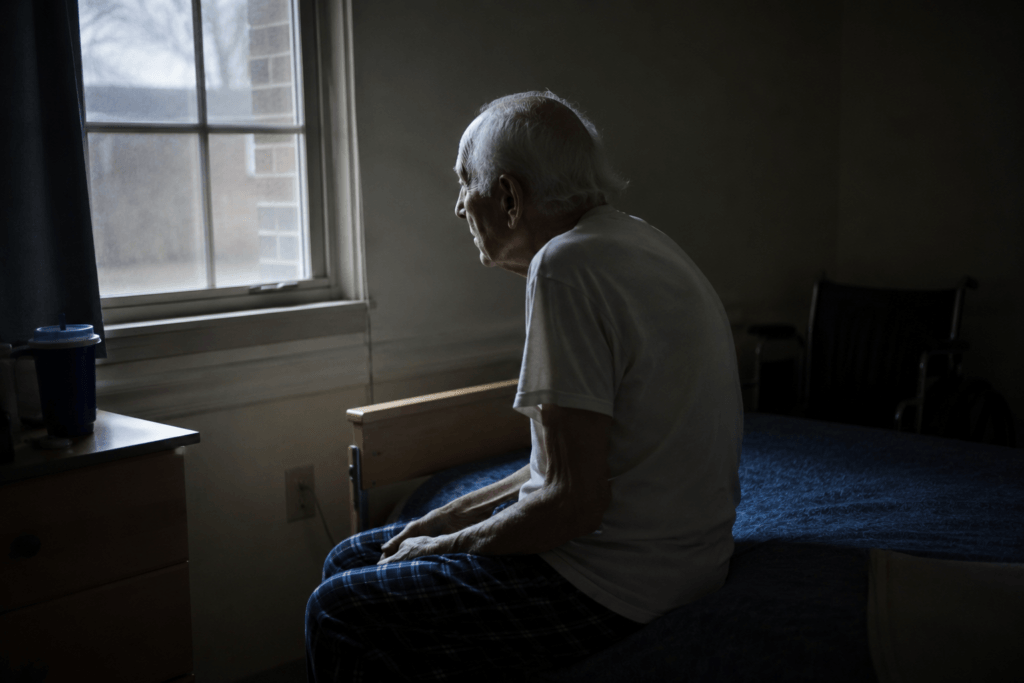
One of the earliest warning signs is often a sudden change in personality or behavior.
Families should pay attention if a loved one:
- Becomes unusually quiet or withdrawn
- Appears fearful around certain caregivers or residents
- Suddenly refuses visitors or social activities
- Seems anxious before staff members enter the room
- Cries frequently or appears depressed
- Stops participating in activities they once enjoyed
- Shows unexplained changes in mood or behavior
While these changes do not automatically mean abuse has occurred, they should never be dismissed without asking questions.
Why Emotional Abuse Is Often Difficult to Recognize
Unlike bruises or broken bones, emotional abuse rarely leaves physical evidence. Many nursing home residents also have dementia, memory loss, hearing impairments, or communication difficulties that make it challenging to describe what they are experiencing.
In some cases, families may mistakenly assume that changes in behavior are simply part of the aging process or progression of a medical condition. Taking time to ask questions, observe interactions with staff, and speak with your loved one privately may help identify concerns that would otherwise go unnoticed.
Supporting a Loved One Who May Be Experiencing Emotional Abuse
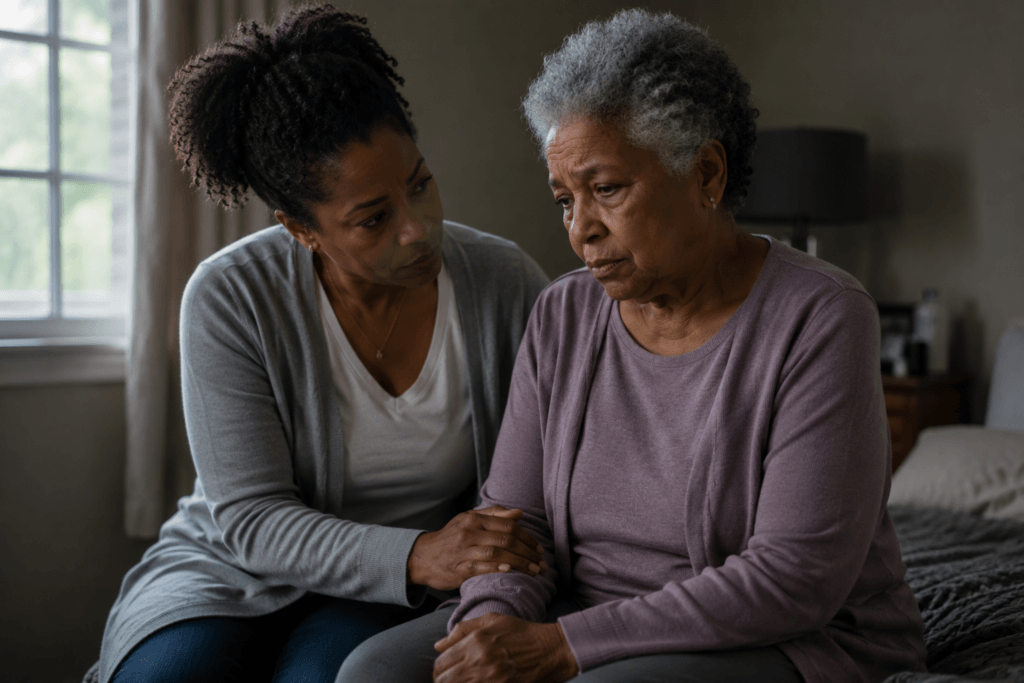
If you suspect emotional abuse, remain calm and reassure your loved one that you take their concerns seriously. Document any changes you observe, keep notes about conversations with staff, and report your concerns to the appropriate administrators or state agencies when necessary.
You do not need proof that abuse has occurred before asking questions or requesting an investigation. Acting early may help protect both your loved one and other vulnerable residents.
How to Report a Nursing Home to the State
How Our Georgia Nursing Home Abuse Attorneys Can Help
Emotional abuse can be just as damaging as physical abuse, particularly when it continues over an extended period of time. Our attorneys investigate nursing home abuse claims by reviewing facility records, interviewing witnesses, and evaluating whether residents were subjected to intentional mistreatment or unsafe conditions.
At Blasingame, Burch, Garrard & Ashley, P.C., we represent families throughout Georgia in complex nursing home abuse and neglect cases and are committed to helping hold negligent facilities accountable.
Contact a Georgia Nursing Home Abuse Lawyer
If you believe your loved one may be experiencing emotional or psychological abuse in a Georgia nursing home, contact Blasingame, Burch, Garrard & Ashley, P.C. for a free case evaluation. We will review your concerns, explain your legal options in plain language, and help you determine the best path forward. There is no fee unless we recover money for you in your case. Contact us today at 706-354-4000 or fill out our online contact form and someone from our team will be in touch.