
This article is the first in a series focused on wound care and pressure ulcers in nursing homes and long-term care settings. We are releasing this first post during National Skilled Nursing Care Week (May 10–16) to highlight the importance of proper care, prevention, and early intervention when it comes to skin breakdown and related injuries. In the coming weeks, we will address additional topics related to how these injuries develop, how they should be treated, and when they may raise concerns about the quality of care being provided.
What Are Bedsores?
Bedsores, also known as pressure ulcers, are one of the most common and serious injuries seen in nursing homes. While many residents enter a facility with complex medical needs, pressure ulcers are often preventable when appropriate care is provided. For families, the presence of a bedsore is not just a medical issue. It can be an early indication that something may have gone wrong.
Bedsores are injuries to the skin and underlying tissue that develop when prolonged pressure restricts blood flow to a specific area of the body. They most often occur where bone is close to the skin, including the back, hips, heels, and elbows.
When pressure is not relieved, the affected tissue begins to break down. What may start as mild skin irritation can quickly progress into a serious wound, particularly in nursing home residents who are already medically vulnerable and often immobile.
You can learn more about how pressure ulcers develop, progress, and are treated in nursing homes on our bedsores in nursing homes page.
Who Is Most at Risk for Bedsores in Nursing Homes?
Not all residents face the same level of risk. Some individuals are significantly more vulnerable to skin breakdown from the moment they are admitted to a facility.
Residents who are unable to reposition themselves, recovering from illness or surgery, or experiencing poor nutrition are at a much higher risk of developing pressure ulcers. Other factors such as incontinence, chronic medical conditions, and advanced age can further increase that risk.
Because these factors are well understood in healthcare settings, nursing homes are expected to assess each resident upon admission and implement a care plan designed to prevent pressure ulcers. When those risks are not properly identified or addressed, preventable injuries can occur.
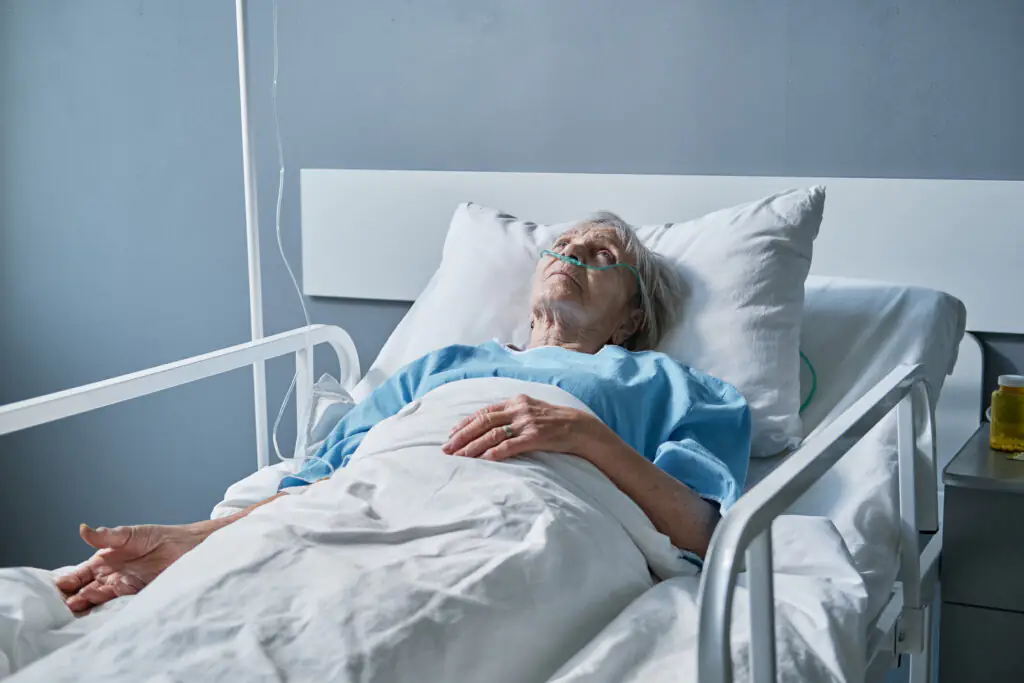
Types of Skin Breakdown in Nursing Home Settings
Although pressure ulcers are the most widely recognized form of skin injury, they are not the only type of wound seen in nursing homes. Residents may also experience skin tears, friction injuries, or damage related to prolonged moisture exposure.
Distinguishing between these types of injuries is important. Proper identification affects how a wound is treated and how quickly it can improve. When a wound is misidentified or not closely monitored, the condition can worsen and lead to more serious complications.
Understanding the Stages of Pressure Ulcers
Pressure ulcers are classified in stages based on the severity and depth of the injury. While these stages provide a medical framework, they also reflect the progression of harm that can occur when pressure is not relieved and appropriate care is not provided.
In the earliest stage, stage 1, the skin may appear red or discolored but remains intact. At this point, the injury may seem minor, but it often represents the first visible sign that pressure is not being properly managed.
As the wound progresses, the skin can break open, leading to partial-thickness or full-thickness tissue loss. In more advanced stages, the damage may extend into deeper layers, exposing fat, muscle, or even bone. Some wounds are considered unstageable when the full extent of the damage cannot be determined due to dead tissue covering the wound.
Bedsores are extremely painful and can lead to severe infection, and even death.
What is important for families to understand is that progression through these stages is not inevitable. In many cases, worsening stages reflect a failure to intervene early, monitor changes in the skin, or provide appropriate treatment.
Warning/Graphic Photos. Click here for a more in-depth look into the stages of bedsores.
How Quickly Can Bedsores Develop?
One of the most concerning aspects of bedsores is how quickly they can develop. In some cases, skin breakdown can begin within hours if pressure is not relieved.
This is why consistent monitoring and regular repositioning are critical components of care in nursing homes and other long-term care facilities. Facilities are expected to follow established protocols to reduce pressure, which often include repositioning residents at regular intervals, monitoring skin condition, and ensuring proper hygiene, nutrition, and hydration.
When these measures are not followed, the risk of injury increases significantly.

When Bedsores May Be a Sign of Nursing Home Neglect
Not all pressure ulcers are preventable. However, many bedsores that develop in nursing homes could have been avoided with appropriate care.
Concerns may arise when there is evidence that a facility failed to properly assess a resident’s risk, did not implement an appropriate care plan, or delayed treatment after a wound began to develop. Inconsistent monitoring, poor communication among staff, and lack of proper documentation can also contribute to a wound becoming more severe.
When these breakdowns in care occur, what may have started as a minor skin issue can progress into a serious medical condition.
If you would like to learn more about how bedsores develop and when they may indicate nursing home neglect, you can visit our Preventing Bedsores page.
What Families Should Watch For
Families are often in the best position to notice when something is not right. Early warning signs of pressure ulcers may include changes in skin color, the appearance of open wounds, or complaints of pain in specific areas.
In more serious situations, a loved one may show signs of infection, such as fever, drainage from a wound, or a sudden decline in overall condition.
If you notice any of these changes, it is important to ask questions about how the condition is being treated and whether a care plan is in place.

Taking the Next Step
Bedsores in nursing homes are not simply a medical issue. They can be an indicator of whether a resident is receiving appropriate care.
Understanding how pressure ulcers develop, who is most at risk, and how these injuries should be prevented can help families recognize when something may have gone wrong.
In our next article, we will examine when a bedsore may cross the line from a medical issue to potential medical malpractice.
Related Posts
Understanding Medical Malpractice in Bedsore Cases
Understanding the Braden Scale and Norton Scale in Nursing Homes
Infected Bedsores, Sepsis, and Osteomyelitis: When Wounds Become Life-Threatening
Who is Responsible When a Bedsore Worsens After a Hospital or Nursing Home Transfer?
Amputation or Wrongful Death from Pressure Ulcers: What Families Should Know