
Physical Abuse in Georgia Nursing Homes
Families often expect that if physical abuse occurs in a nursing home, the signs will be obvious. Unfortunately, that is not always the case. Some injuries are dismissed as accidental falls or the normal effects of aging, while other incidents go unreported because residents are afraid, unable to communicate, or suffer from cognitive impairments.
Understanding how physical abuse occurs and recognizing when an injury may be more than an accident can help families protect vulnerable loved ones and identify situations that deserve closer attention.
How Does Physical Abuse Occur in Nursing Homes?
Physical abuse is any intentional act that causes pain, injury, or physical harm to a nursing home resident. While abuse may be committed by a caregiver, it can also involve another resident, a visitor, or anyone else with access to the facility.
Physical abuse may occur during routine care, while assisting a resident with mobility, or through acts of violence or intimidation. It can also involve the inappropriate use of physical or chemical restraints to control a resident’s behavior rather than address the underlying cause of their needs.
In some cases, repeated rough handling, unnecessary force, or failure to intervene during resident altercations may also indicate abusive conduct rather than an unavoidable accident.
When Could an Injury Be a Sign of Physical Abuse?
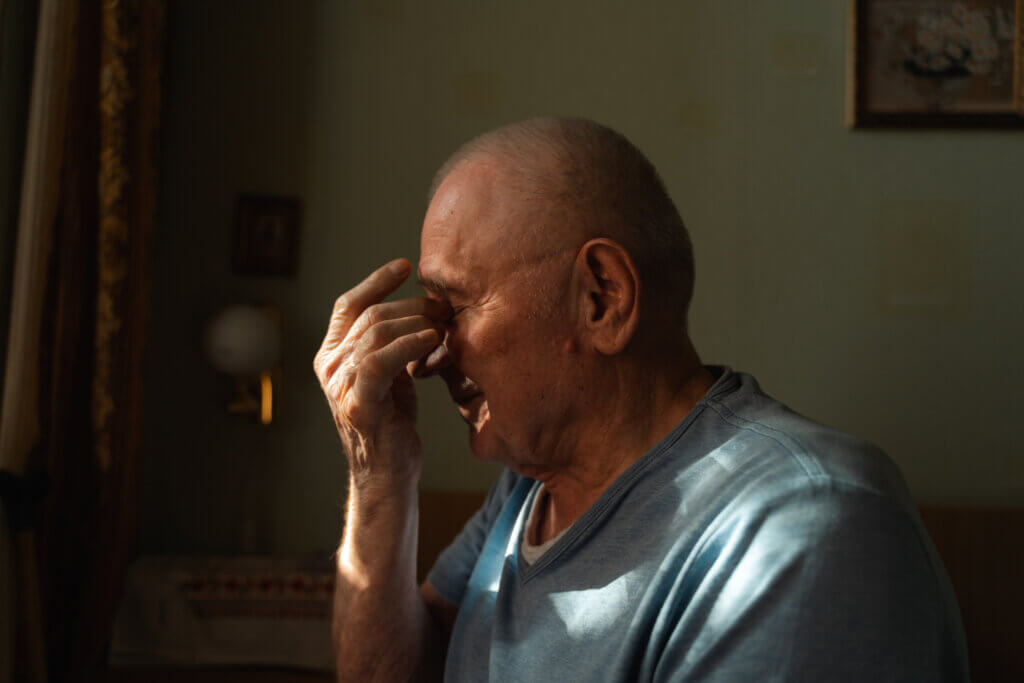
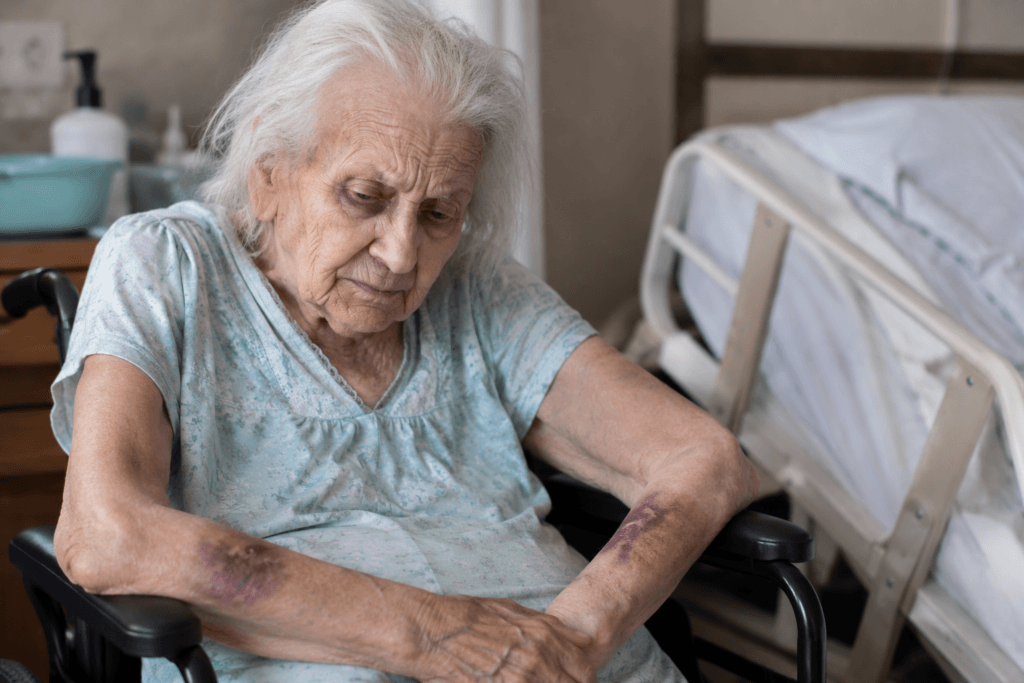
Not every bruise or broken bone is the result of abuse. Older adults often bruise more easily, and falls remain a common cause of injury in nursing homes. However, certain circumstances should prompt families to ask additional questions.
Warning signs may include:
- Repeated or unexplained injuries
- Injuries that do not match the explanation provided
- Delays in notifying family members or obtaining medical treatment
- Bruises, cuts, or burns in unusual locations
- Fear or anxiety around specific staff members or residents
- A pattern of similar incidents over time
Looking at the full picture is often more important than focusing on a single injury. Multiple warning signs occurring together may indicate a larger problem within the facility.
Questions Families Should Ask After an Unexplained Injury
When a nursing home resident suffers an unexplained injury, families deserve clear and honest answers. Asking the right questions can help you better understand what happened and whether the facility responded appropriately.
Consider asking:
- What caused the injury?
- When and where did it occur?
- Was anyone present when it happened?
- Was an incident report completed?
- When was medical treatment provided?
- When was the family notified?
- Has anything similar happened before?
Nursing homes should be able to explain how an injury occurred and what steps they have taken to help prevent a similar incident from happening again. If answers are vague, inconsistent, or continually change, it may be appropriate to investigate the situation further.
Why Physical Abuse Often Goes Unreported
Many nursing home residents are unable or unwilling to report abuse. Some fear retaliation from caregivers they depend on every day. Others live with dementia, communication disorders, or medical conditions that make it difficult to explain what happened.
Family members should never assume that the absence of a complaint means everything is fine. Changes in behavior, increased anxiety, withdrawal, or an unexplained fear of certain caregivers may all warrant further investigation.
How Nursing Homes Can Help Prevent Physical Abuse
Preventing physical abuse requires more than simply responding after an incident occurs. Nursing homes should have systems in place to reduce the risk of abuse before a resident is ever harmed.
This includes carefully screening employees before hiring, providing ongoing staff training, maintaining adequate staffing levels, supervising interactions between residents, investigating complaints promptly, and encouraging employees to report suspected abuse without fear of retaliation.
No safety program can eliminate every risk. However, when a facility ignores complaints, fails to supervise residents, or allows unsafe practices to continue, the likelihood of abuse may increase. Identifying and correcting these problems is an important part of protecting vulnerable residents.
When Should Families Consider Speaking With an Attorney?
Not every injury in a nursing home is the result of abuse or neglect. Older adults often have fragile skin, limited mobility, and medical conditions that increase their risk of falls and other accidents.
However, families should consider seeking legal guidance when injuries are serious, repeatedly occur without a clear explanation, or are accompanied by other warning signs such as inconsistent accounts from staff, delayed medical treatment, missing documentation, or a history of similar incidents within the facility.
An attorney can help determine whether an injury appears to be an unfortunate accident or whether it may be part of a larger pattern of abuse, neglect, or unsafe conditions. Even if you are unsure whether misconduct occurred, understanding your options can help you make informed decisions about your loved one’s safety.
How Our Georgia Nursing Home Abuse Attorneys Can Help
If you believe a loved one has suffered physical abuse in a Georgia nursing home, it is important to preserve evidence and understand what happened. Our attorneys investigate nursing home abuse claims by reviewing medical records, facility documentation, witness statements, inspection reports, and other available evidence to determine whether abuse occurred and who may be responsible.
At Blasingame, Burch, Garrard & Ashley, P.C., we represent families throughout Georgia in complex nursing home abuse and neglect cases. We are committed to helping families seek accountability when vulnerable residents have been intentionally harmed.
Contact a Georgia Nursing Home Abuse Lawyer
If you suspect your loved one has experienced physical abuse in a Georgia nursing home, contact Blasingame, Burch, Garrard & Ashley, P.C. for a free case evaluation. We will listen to your concerns, explain your legal options in plain language, and help you determine the next steps. There is no fee unless we recover money for you in your case. Contact us at 706-354-4000 or fill out our online contact form and someone from our team will be in touch.