Types of Nursing Home Abuse

Families trust nursing homes to provide a safe environment where their loved ones receive compassionate care and are treated with dignity and respect. Unfortunately, some residents experience intentional mistreatment at the hands of caregivers, other residents, or even those entrusted with managing the facility.

Nursing home abuse can take many forms, including physical violence, emotional mistreatment, sexual abuse, financial exploitation, and other intentional acts that place vulnerable residents at risk of harm. Recognizing the different types of abuse is an important first step toward protecting a loved one and holding responsible parties accountable.

This page explains the most common types of nursing home abuse, the warning signs families should watch for, and the legal options available when abuse is suspected in a Georgia nursing home.

At Blasingame, Burch, Garrard & Ashley, P.C., our GA nursing home abuse lawyers are committed to fighting for the rights and interests of injured victims.

If a vulnerable loved one was subject to any type of abuse, neglect, or mistreatment in an assisted living facility, our law firm is here to help you and your family.

Please do not hesitate to contact us at (706) 354-4000 for a free, confidential case evaluation.

Get a free nursing home abuse case review

Do you have questions about nursing home abuse in Georgia? If so, simply submit the short form below to speak with an experienced Georgia nursing home abuse attorney from BBGA about your case.

What Is Nursing Home Abuse?

Nursing home abuse occurs when a resident is intentionally harmed or mistreated by a caregiver, staff member, another resident, or another individual within a long-term care facility. Unlike neglect, which results from a failure to provide appropriate care, abuse involves deliberate actions that cause physical injury, emotional distress, financial harm, or other forms of suffering.

Abuse can occur in many different ways, from physical assaults and verbal intimidation to sexual abuse and financial exploitation. In some cases, the abuse is obvious. In others, it may be subtle, ongoing, and difficult for family members to recognize.

Because many nursing home residents have physical limitations, cognitive impairments, or medical conditions that make it difficult to report abuse, family members often play a critical role in identifying warning signs and protecting their loved ones. Understanding the different forms of abuse can help families recognize concerning behavior and take action before additional harm occurs.
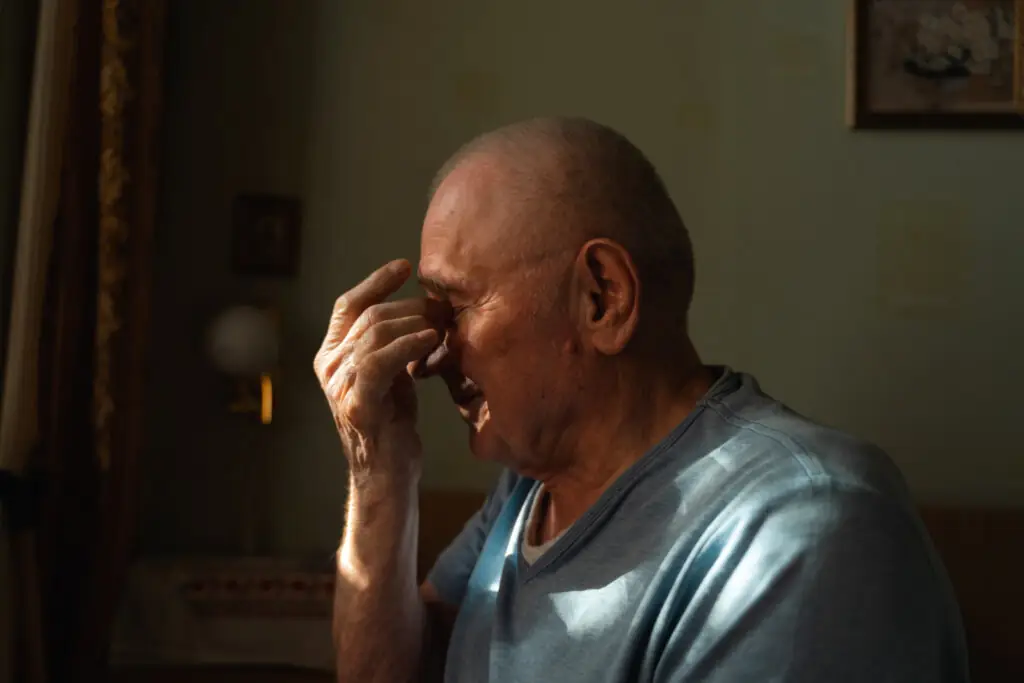
Elderly man sitting in distress, illustrating harm and neglect in a Gwinnett County nursing home abuse case

Common Types of Nursing Home Abuse

Physical Abuse

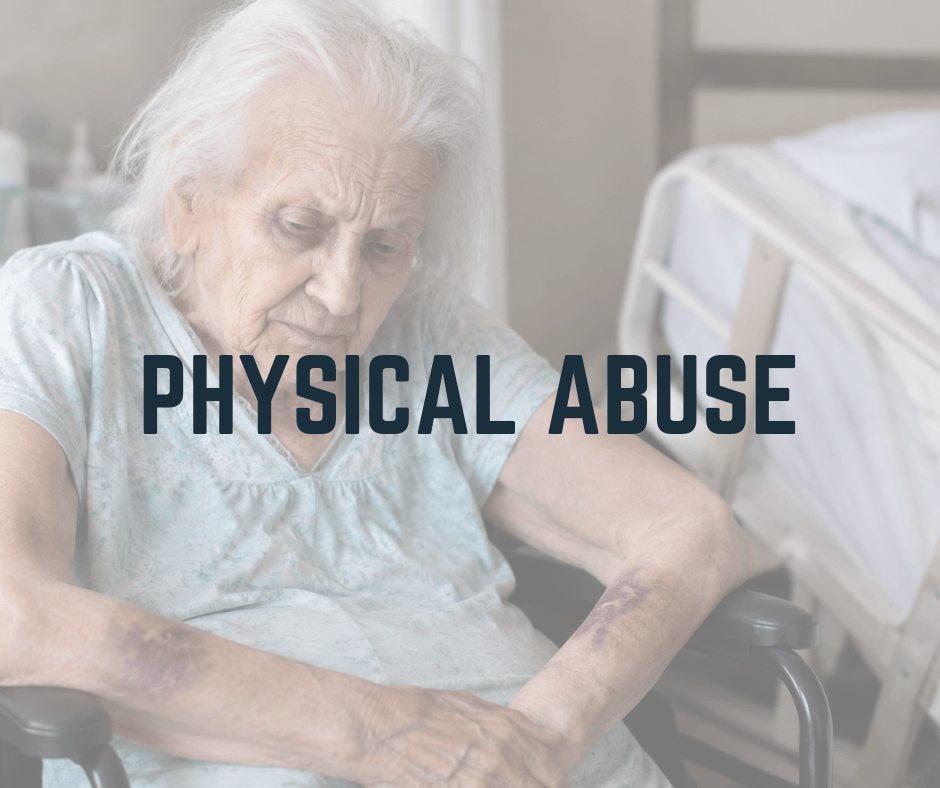
One of the most common — and frightening — types of abuse in nursing homes is physical abuse. Sadly, physical abuse may come at the hands of either a staff member or another resident.

There are various forms of physical abuse that may occur in nursing homes, including hitting, shoving, burning, pinching, and unnecessary restraint, to name a few.

Anytime a nursing home resident suffers intentional physical pain or injuries by a caregiver, it’s considered physical abuse.

The effects of physical abuse on an elderly nursing home resident can include bruises, cuts, fractures, internal injuries, head, neck or back injuries; and chronic pain or soreness.

As physical abuse tends to leave visible injuries, you may think it would be easy to spot.

However, this is not always the case. Sometimes, physical abuse in nursing homes goes unreported.

A frightened or cognitively impaired nursing home resident may not be able to report the abuse. If you ever see any signs of physical abuse on your loved one — including unexplained bruising or unexplained injuries — it is imperative you follow up on the issue.

You deserve answers. Your family member deserves justice and safety.

Emotional and Psychological Abuse

Physical abuse is hard enough to detect. Emotional and psychological abuse can be hard to identify.

Nursing home residents who are physically abused show physical symptoms, but emotional and psychological abuse is invisible, making it harder to track.

When a physician or caregiver acts in a way that causes emotional pain or suffering, it’s considered emotional abuse.

Types of emotional abuse include yelling or screaming, non-verbal psychological abuse, intimidation, name-calling, threatening, speaking to a resident in a demeaning way, causing a resident to feel guilty, ignoring them, restricting access to necessities, scapegoating, and withdrawing affection.

Not all emotional and psychological abuse is verbal. When a caregiver or physician intentionally ignores or fails to acknowledge a nursing home resident’s needs, this is considered psychological abuse. Other types of non-verbal psychological abuse include intimidating, terrorizing, and isolating an elderly person for the sake of instilling fear.

When a nursing home resident experiences emotional abuse they may become depressed, withdrawn, or show signs of increasing agitation.

A change in personalities such as chronic fear, low self-esteem, or loss of interest can also be a sign of emotional abuse.

Obviously, emotional and psychological abuse cases are especially complicated.

The best thing you can do to ensure your loved one is fully protected is to make sure you listen to their concerns and follow up on any suspicions you might have that there is something wrong.

As any experienced Georgia nursing home abuse lawyer would tell you, many instances of nursing home abuse are finally put to a stop and reported to the authorities when a caring, attentive family member suspects something is wrong and then steps in to take action to investigate the situation.

Sexual Abuse and Sexual Exploitation

Unfortunately, because elderly people are often isolated from family and friends, they can become targets for sexual predators.

Any type of initiated or physical touch by a caregiver or others that is sexual in nature, and is non-consensual or unwanted, is considered sexual abuse. Some types of sexual abuse include sexual assault and battery, unwanted touching, forced nudity, and rape.

Nursing homes have a responsibility to protect residents from sexual abuse by staff members, other residents, and visitors. Because some elderly residents have cognitive impairments or medical conditions that limit their ability to report abuse or provide informed consent, family members should take any unexplained injuries, behavioral changes, or allegations of inappropriate conduct seriously.

Sadly, this type of shocking and disturbing abuse remains a major problem.

If a nursing home resident is being sexually abused they may show signs of depression or withdraw, excessive fear around specific caregivers, unexplained vaginal bleeding, STDs and infections, bruising in the genital region or breasts, and it may become difficult for them to walk or sit.

Click here to learn more.

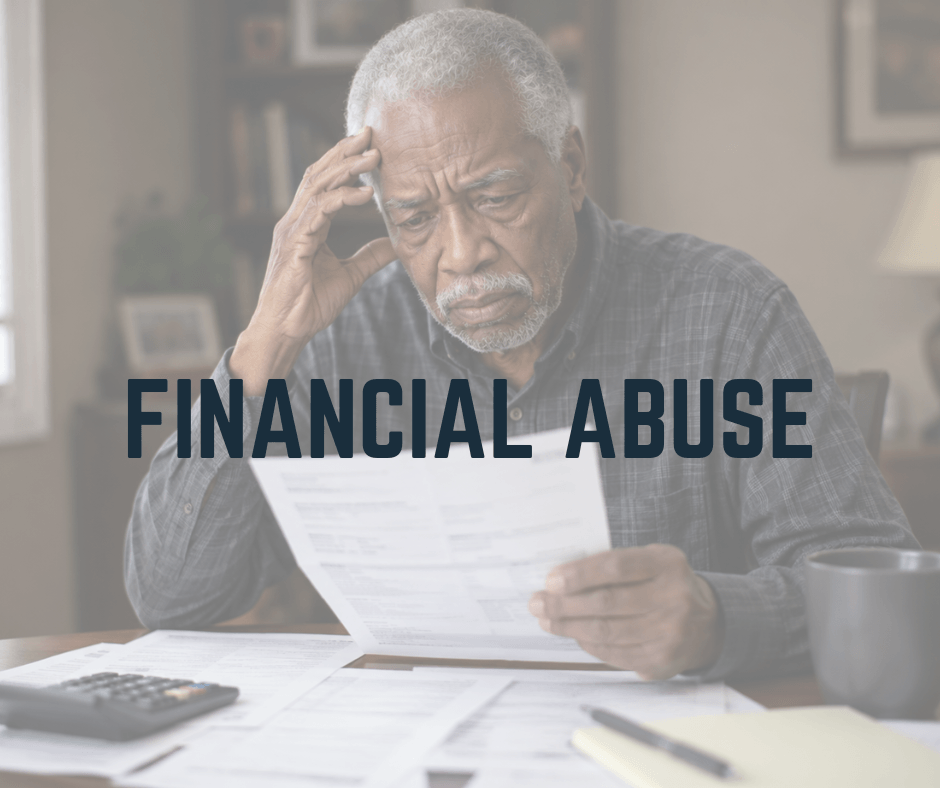
Financial Abuse and Fraud

Finally, in some cases, vulnerable elderly people are targeted by fraudsters and other financial predators.

When a caregiver or someone else improperly or illegally use an elderly person’s funds, property, or assets, this is called financial abuse or exploitation.

Financial abuse puts a vulnerable person at serious risk. It could even make it difficult, or impossible, for them to pay off the healthcare services they so desperately need.

Some examples of financial abuse include forgery, stealing or misusing a nursing home resident’s money or possessions, deceiving or coercing an elderly resident to sign documents that relinquish their rights, or cashing a nursing home resident’s checks without permission.

Medicare and Medicaid fraud in nursing homes are also a form of financial abuse.

Healthcare fraud such as phantom billing, which is when healthcare providers bill Medicare unnecessarily, or kick-back fraud, which is when a healthcare facility receives some type of financial kick-back due to fraud, is rampant in nursing homes.

Many times, nursing home residents are unaware when financial abuse is taking place. Family members should always keep a close eye on any financial accounts to ensure that nothing out of the ordinary is occurring.

Some warning signs of financial abuse include abrupt changes in an elderly person’s will or other financial documents, personal belongings go missing, sudden changes in the resident’s checking or savings accounts, frequent checks being written, unexplained bounced checks, additional names being added to financial accounts, and the resident’s living conditions are suddenly below his or her resources.

If your loved one was the victim of financial abuse, you need to take immediate action. The perpetrator must be held accountable —through criminal action, civil action, or both.

Our law firm is prepared to review your case and explain your rights and options to you.

Get Help from an Experienced Nursing Home Abuse Attorney in Georgia

If your loved one is the victim of nursing home abuse, you need to protect their physical health, psychological well-being, and legal rights.

You do not have to go through this alone. Our attorneys are experienced, compassionate, and skilled and will work with you if you or a loved one has suffered abuse at a nursing home in Georgia. Contact our firm today to schedule a free consultation.

At Blasingame, Burch, Garrard & Ashley, P.C. our nursing home abuse lawyers know how to hold negligent nursing homes responsible for their misconduct. We take cases across Georgia.

We will fight for justice for you and your family. We have been assisting clients nationwide for more than 40 years with a wide range of complex legal matters.

Call us today at (706) 354-4000

Related Pages

How to Report a Nursing Home in Georgia

Resident-on-Resident Violence

Chemical Restraints

Nursing Home Fraud