
Nursing Home Neglect in Georgia
Families place their loved ones in nursing homes with the expectation that they will receive the care, attention, and medical support they need to live safely and comfortably. When caregivers fail to provide that care, the consequences can be serious. Nursing home neglect can lead to preventable injuries, declining health, emotional suffering, and even wrongful death.
Unlike nursing home abuse, which involves intentional acts of harm, nursing home neglect occurs when caregivers or facilities fail to meet a resident’s basic physical, emotional, or medical needs. Whether caused by understaffing, inadequate training, poor supervision, or a failure to follow established care plans, neglect can place vulnerable residents at significant risk.
This page explains what nursing home neglect is, the different forms it can take, common warning signs, and what families can do if they believe a loved one has suffered neglect in a Georgia nursing home.
If you suspect your loved one has been a victim of neglect, please don’t hesitate to contact us online or call (706) 354-4000 today for a consultation.
Get a Free Case Review
Do you have questions about a nursing home abuse claim in Georgia? If so, simply submit the short form below to speak with an experienced attorney from BBGA about your case.
What Is Nursing Home Neglect?
Nursing home neglect occurs when a facility or caregiver fails to provide the level of care necessary to protect a resident’s health, safety, and well-being. These failures may involve a resident’s physical needs, medical care, nutrition, hygiene, supervision, or emotional well-being.
Neglect is not always the result of a single mistake. More often, it develops over time as residents fail to receive consistent, appropriate care. Missed medications, inadequate supervision, poor hygiene, delayed medical treatment, and unmet nutritional needs can all place vulnerable residents at risk of serious harm.
Many cases of nursing home neglect are linked to systemic problems within a facility, including chronic understaffing, inadequate training, poor communication, or failures to follow individualized care plans. Understanding how neglect occurs can help families recognize when a loved one’s declining health may be the result of preventable failures rather than the normal aging process.
Common Types of Nursing Home Neglect
Poor Personal Hygiene
When a nursing home resident doesn’t receive adequate help with hygienic activities such as bathing, doing their laundry, cleaning their surroundings, or brushing their teeth, this is considered neglect.
Emotional Neglect
When a nursing home resident is isolated or left alone for extended periods of time, ignored, or demeaned in any way, this is considered emotional neglect.
Lack of Basic Needs
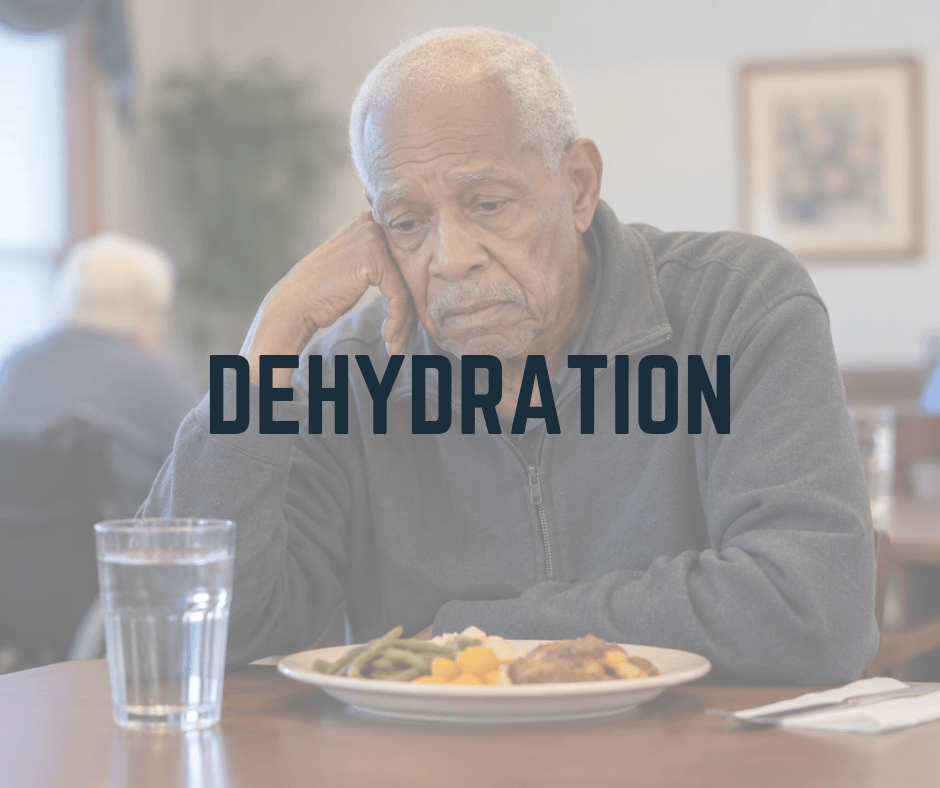
As human beings, we have fundamental needs such as a clean environment, adequate food and water, heat and air conditioning, and clothing. When these needs aren’t met in a nursing home, it’s considered neglect.
Lack of Proper Supervision
Many nursing home residents require regular supervision to remain safe. Residents with dementia, mobility limitations, cognitive impairments, or other medical conditions may be unable to recognize hazards or ask for help when they need it. When caregivers fail to adequately supervise residents, preventable accidents and injuries can occur. A lack of supervision may contribute to falls, wandering or elopement, choking incidents, resident-on-resident altercations, or delays in responding to medical emergencies. Every nursing home should assess each resident’s individual needs and provide an appropriate level of supervision. When a facility fails to do so, residents may suffer serious injuries that could have been prevented with attentive care.
Inadequate Medical Care
Nursing home residents often have complex medical needs that require ongoing monitoring, timely treatment, and careful coordination among caregivers and healthcare providers. When a facility fails to provide appropriate medical care, residents may suffer preventable complications that place their health and safety at risk. Medical neglect can include failing to administer medications correctly, delaying treatment for illnesses or injuries, ignoring signs of infection, failing to monitor chronic medical conditions, or not following a resident’s physician-ordered care plan. Even seemingly minor delays in treatment can quickly become serious for elderly residents with underlying health conditions. Nursing homes have a responsibility to provide appropriate medical attention and respond promptly when a resident’s condition changes. When they fail to do so, the consequences can include worsening illness, hospitalization, permanent injury, or even wrongful death.
Why Nursing Home Neglect Happens
Nursing home neglect is rarely caused by a single mistake. In many cases, it results from ongoing problems within a facility that prevent residents from receiving the care they need. While every situation is different, many neglect cases share common underlying causes.
One of the most significant contributors to nursing home neglect is chronic understaffing. When there are not enough qualified caregivers available, staff may struggle to assist residents with meals, personal hygiene, mobility, medication management, and other essential daily needs. As workloads increase, important tasks may be delayed or overlooked entirely.
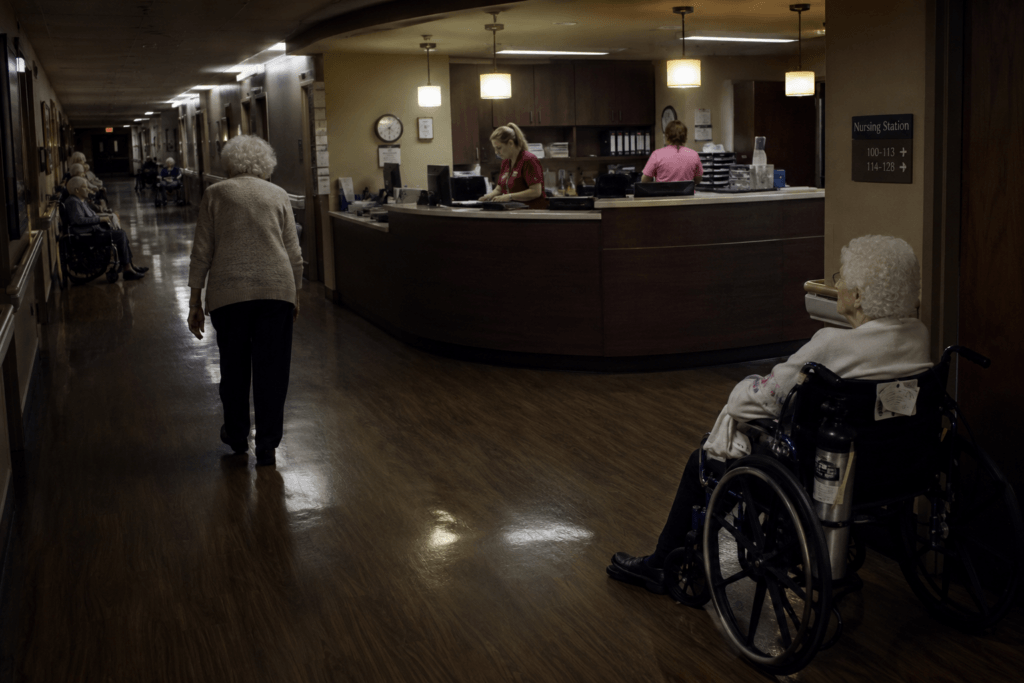
Neglect may also result from inadequate training, poor supervision, ineffective communication among staff members, or a failure to follow individualized care plans. When nursing homes fail to implement appropriate policies or prioritize resident safety, preventable injuries and medical complications can occur.
Understanding why neglect happens can help families recognize that repeated incidents or declining health may not be unavoidable consequences of aging, but signs that a nursing home is failing to provide appropriate care.
Learn More About Nursing Home Neglect
Explore the resources below to learn about the different forms of nursing home neglect, the injuries neglect can cause, common warning signs, and the steps families can take to protect a loved one living in a Georgia nursing home.

If you suspect your loved one has been abused and is in immediate danger, call 911 or the local police department to file a report.
Contact a Georgia Nursing Home Abuse and Neglect Lawyer
If you suspect your loved one has suffered any type of neglect at the hands of a caregiver, contact Blasingame, Burch, Garrard & Ashley today at (706) 354-4000 or by filling out our short form.