
Car accidents can cause injuries ranging from soft tissue damage to catastrophic trauma. Some injuries heal with time and treatment, while others may lead to chronic pain, permanent disability, or long-term medical complications.
The type of injury a person suffers often depends on the force of the collision, the direction of impact, and the parts of the body affected during the crash. Rear-end collisions frequently lead to neck and back injuries, while high-speed crashes and rollovers are more likely to cause fractures, traumatic brain injuries, and spinal cord damage.
Our attorneys regularly represent individuals who have suffered serious injuries in Georgia car accidents, including traumatic brain injuries, spinal cord injuries, fractures requiring surgery, and other catastrophic injuries. We work with medical experts and other specialists to fully understand the long-term impact of these injuries and help our clients pursue the compensation they need moving forward.
Why It Is Important to Seek Medical Attention After a Car Accident
Many people feel relatively normal immediately after an accident because adrenaline and shock can temporarily mask pain. Some injuries, particularly head injuries, internal injuries, neck injuries, and spinal trauma, may not become fully apparent until later.
Seeking prompt medical attention is important for both your health and your recovery. Early diagnosis and treatment can help identify serious conditions before they worsen and create medical documentation that may become important if an insurance claim or legal dispute arises.
Common Injuries After a Car Accident
Some of the most common injuries seen after Georgia car accidents include:
- Broken bones and fractures
- Traumatic brain injuries
- Neck and back injuries
- Spinal cord injuries
- Soft tissue injuries
- Internal injuries and internal bleeding
- Severe cuts and lacerations
- Burn injuries
- Rotator cuff and shoulder injuries
- Amputations
- Wrongful Death
Some injuries heal with time and treatment, while others can lead to chronic pain, permanent disability, or long-term medical complications.
Traumatic Brain Injuries
Traumatic brain injuries can occur even in crashes where there is no direct impact to the head. Sudden force or violent movement during a collision may cause the brain to move inside the skull, resulting in symptoms that range from headaches and dizziness to memory problems and cognitive impairment.
More severe brain injuries may require extensive rehabilitation and long-term medical care.
Broken Bones and Orthopedic Injuries
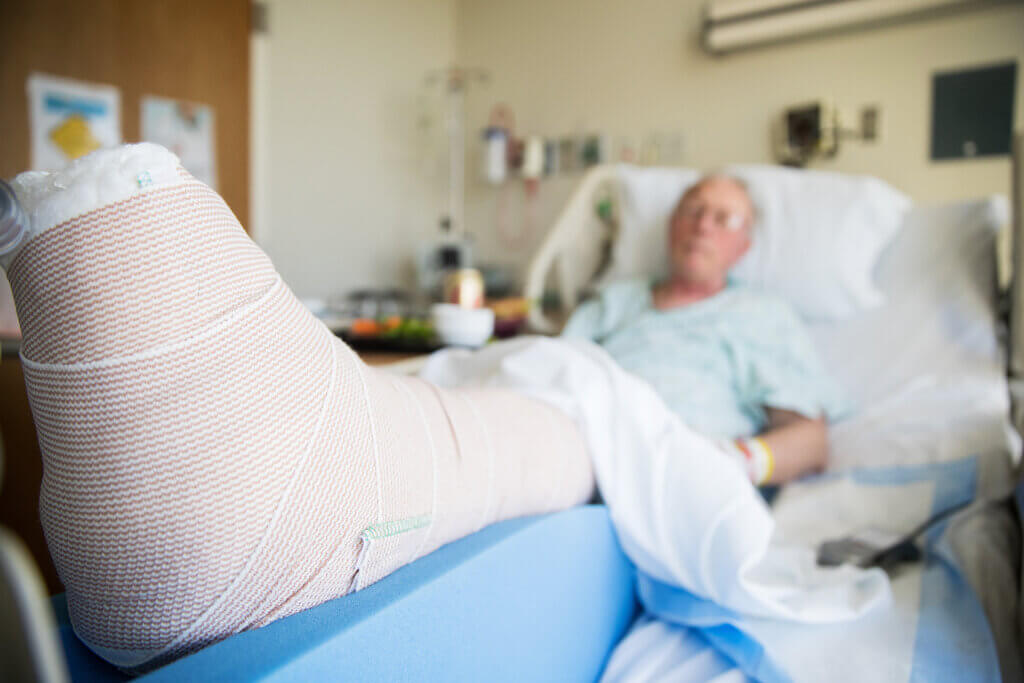
Broken bones are among the most common injuries in serious car accidents. Fractures involving the arms, legs, ribs, hips, pelvis, and facial bones may require surgery, physical therapy, or lengthy recovery periods.
Some orthopedic injuries can lead to permanent limitations, chronic pain, or reduced mobility, particularly when joints or weight-bearing bones are affected.
Spinal Cord and Back Injuries
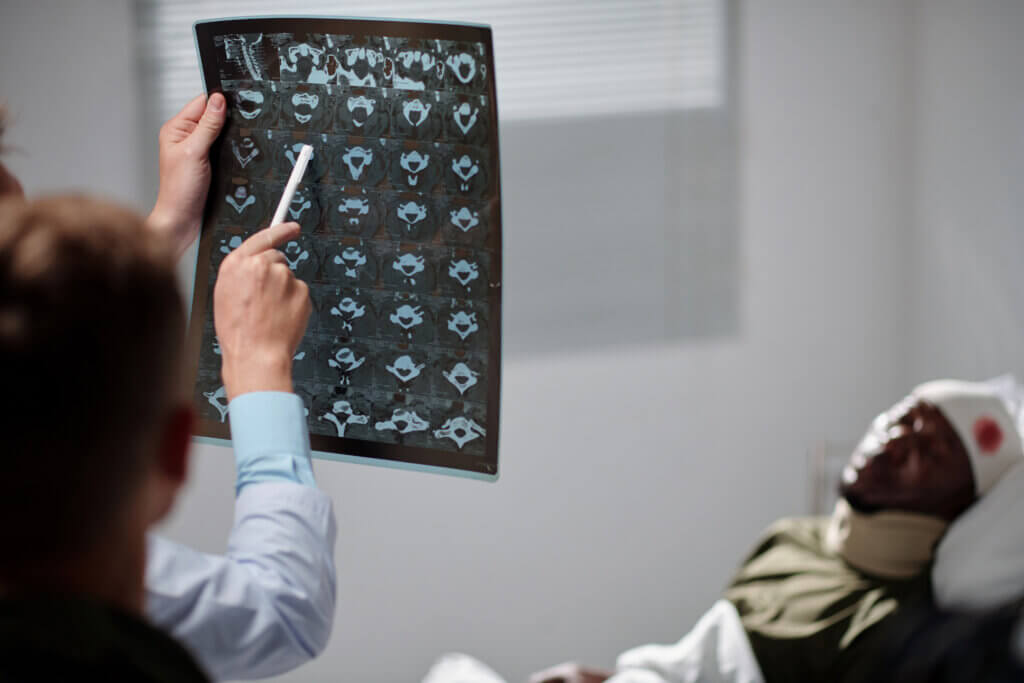
Damage to the spinal cord or surrounding structures can have life-changing consequences. Serious spinal injuries may result in chronic pain, nerve damage, limited mobility, or paralysis.
Even less severe back and neck injuries can interfere with a person’s ability to work, sleep, exercise, and complete everyday activities.

Internal Injuries and Delayed Symptoms
Not all serious injuries are immediately visible after a crash. Internal bleeding and organ damage may develop without obvious symptoms at first. This is one reason medical evaluation is important even if injuries initially seem minor.
Warning signs such as dizziness, abdominal pain, worsening headaches, numbness, or difficulty breathing should never be ignored after an accident.
How Serious Injuries Affect Daily Life
A serious injury often affects far more than physical recovery alone. Many injured individuals require ongoing medical treatment, rehabilitation, assistive devices, home modifications, or time away from work.
Catastrophic injuries may also affect a person’s independence, financial stability, and long-term quality of life. In the most severe cases, families may face permanent caregiving responsibilities and significant emotional and financial strain.
Wrongful Death After a Car Accident
Some car accidents result in fatal injuries that permanently affect surviving family members. In addition to emotional loss, families are often left facing medical expenses, funeral costs, lost financial support, and other long-term challenges.
Wrongful death cases frequently involve complex investigations and substantial damages, particularly in collisions involving commercial vehicles, impaired driving, or multiple liable parties. Families may benefit from speaking with an attorney to better understand their legal options during this difficult time.

When It May Be Important to Speak with an Attorney
Not every car accident requires legal representation. However, when injuries are serious or involve long-term medical treatment, it may be important to speak with an attorney early in the process.
At Blasingame, Burch, Garrard & Ashley, P.C., we focus on cases involving serious and life-changing injuries, including traumatic brain injuries, spinal cord injuries, broken bones, injuries requiring surgery, amputations, permanent disability, and wrongful death. These cases often involve extensive medical treatment, long-term recovery, and significant financial and emotional consequences for injured individuals and their families.
Our attorneys regularly work with accident reconstruction experts, medical experts, life care planners, economists, and other specialists to fully evaluate the long-term impact of serious injuries and help ensure our clients’ claims are properly presented.
Talk to a Georgia Car Accident Lawyer
If you or a loved one suffered serious injuries in a Georgia car accident, it may be helpful to speak with an attorney about your legal options. Understanding the full extent of an injury and its long-term impact can be an important part of protecting your future.
Contact Blasingame, Burch, Garrard & Ashley, P.C. to discuss your situation and learn how we can help. Call 706-354-4000 or fill out our online contact form, and a member of our team will be in touch.